

Zinc oxide, a versatile compound with a wide array of applications, serves as a cornerstone in various industries, from cosmetics and pharmaceuticals to rubber manufacturing and ceramics. The production of zinc oxide is a complex process, and one of the most prominent methods used is the indirect method. In this article, we delve into the intricacies of the indirect method of producing zinc oxide and explore its significance in modern manufacturing. Zinc oxide (ZnO) is a white, powdery substance that is derived from the element zinc. It possesses a range of desirable properties, including UV absorption, antimicrobial capabilities, and electrical conductivity, making it valuable in numerous industries.
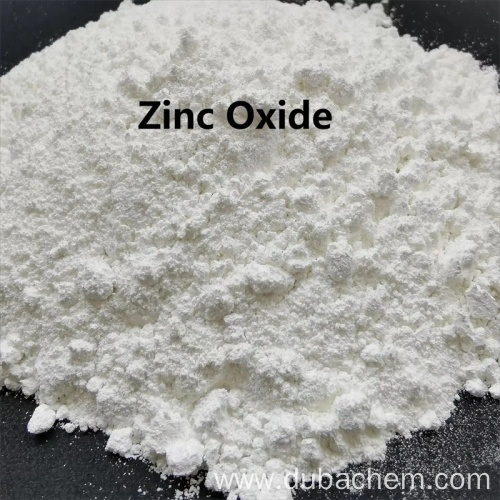
The indirect method of producing zinc oxide involves two main stages: the first is the production of zinc metal, and the second is the conversion of this zinc metal into zinc oxide.
Stage 1: Production of Zinc Metal:
1. Zinc Ore Extraction: The process begins with the extraction of zinc ore, commonly found in minerals like sphalerite (zinc sulfide). The ore is extracted through mining operations.
2. Roasting:The extracted zinc ore is subjected to a roasting process, during which it is heated in the presence of air. This leads to the conversion of zinc sulfide into zinc oxide and sulfur dioxide.
3. Leaching and Purification: The resulting mixture of zinc oxide and sulfur dioxide is subjected to a leaching process. This involves dissolving the zinc oxide in a suitable solvent, often sulfuric acid, to form zinc sulfate solution. The solution is then purified to remove impurities.
4. Electrolysis: The purified zinc sulfate solution undergoes electrolysis, a process where an electric current is passed through the solution. This causes the deposition of zinc metal onto cathodes, effectively producing zinc metal.
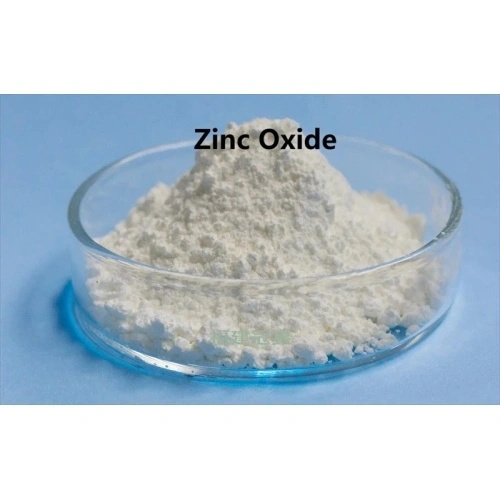
Stage 2: Conversion to Zinc Oxide:
1. Zinc Dust Formation:The zinc metal obtained from the electrolysis stage is transformed into fine zinc dust through atomization or other mechanical processes.
2. Oxidation: The zinc dust is then introduced to controlled oxidation conditions, often in a fluidized bed reactor, where it reacts with oxygen from the air to form zinc oxide.
The multi-step process involving leaching and electrolysis allows for the production of highly pure zinc metal, which in turn contributes to high-quality zinc oxide. The controlled conditions during the oxidation stage ensure consistent and well-defined properties of the resulting zinc oxide. The roasting of zinc ore generates sulfur dioxide, which can be captured and used in other chemical processes, contributing to resource efficiency and minimizing environmental impact. The resulting zinc oxide can be tailored for specific applications by adjusting factors such as particle size, surface area, and chemical properties.
The indirect method of producing zinc oxide highlights the intricate nature of modern industrial processes. From the extraction of zinc ore to the controlled oxidation of zinc metal, this method underscores the collaboration of chemical and metallurgical principles. The resulting zinc oxide, with its diverse applications across industries, stands as a testament to the significance of this process in enhancing products and technologies that have become integral to our daily lives. As technology continues to advance, we can anticipate further refinements in the indirect method, leading to increased efficiency, sustainability, and innovation in the realm of zinc oxide production. Our company also foaming agent and zinc oxide, if you have any needs, please contact us.