

Zinc oxide is a versatile compound that finds widespread use in various industries due to its unique properties and applications. One of the most common methods for producing zinc oxide is the indirect method. This process involves the reduction of zinc ores or zinc-containing materials, followed by oxidization to obtain high-purity zinc oxide. In this article, we will delve into the process and applications of indirect method zinc oxide, exploring its significance in industries such as rubber, ceramics, cosmetics, and more.
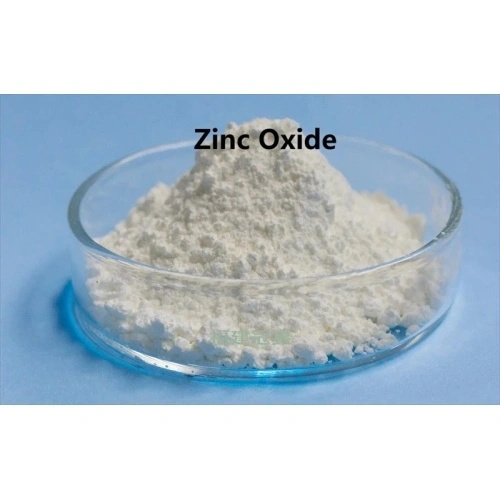
The indirect method for producing zinc oxide involves a multi-step process that begins with the extraction of zinc from its ores or other zinc-containing materials. The two primary sources of zinc are zinc sulfide ores (sphalerite) and zinc carbonate ores (calamine). The ores are first roasted to convert zinc sulfide or zinc carbonate into zinc oxide.
In the case of zinc sulfide ores, the roasting process involves heating the ore in the presence of air or oxygen. This results in the formation of zinc oxide and sulfur dioxide gas, which is further processed to produce sulfuric acid or other valuable products.For zinc carbonate ores, the roasting process involves heating the ore to decompose it into zinc oxide and carbon dioxide gas.After the initial roasting step, the obtained zinc oxide is then subjected to further purification to remove impurities and obtain high-purity zinc oxide suitable for specific applications.
Applications of Indirect Method Zinc Oxide:
1. Rubber Industry: Indirect method zinc oxide is extensively used in the rubber industry as a vulcanizing agent and activator in the production of rubber compounds. It enhances the elasticity, durability, and heat resistance of rubber products, making it ideal for tire manufacturing, automotive components, and industrial rubber goods.
2. Ceramics: In the ceramics industry, indirect method zinc oxide is used as a flux, which helps to lower the melting point of ceramic materials during the firing process. It also acts as a glaze opacifier, imparting a white color to ceramic surfaces.
3. Cosmetics and Personal Care: Zinc oxide is a key ingredient in various cosmetic and personal care products such as sunscreens, lotions, and creams. It provides effective protection against harmful UV rays by reflecting and scattering them away from the skin. Additionally, its soothing and non-irritating properties make it suitable for sensitive skin formulations.
4. Pharmaceuticals: Indirect method zinc oxide is utilized in pharmaceutical formulations, particularly in antiseptic creams and ointments. Its antibacterial and wound-healing properties make it an effective agent in treating skin irritations, burns, and minor wounds.
5. Paints and Coatings: Zinc oxide is used as a white pigment in paints, coatings, and varnishes. Its ability to enhance opacity and coverage makes it a valuable component in various paint formulations.
6. Agriculture: Indirect method zinc oxide is used as a micronutrient in agricultural applications. It is a vital component of fertilizers and soil conditioners, promoting healthy plant growth and improving crop yields.
Indirect method zinc oxide is a crucial compound with a multitude of applications across diverse industries. The process of producing high-purity zinc oxide through the indirect method ensures its effectiveness and reliability in various applications, from enhancing rubber compounds to providing UV protection in sunscreens and contributing to agricultural productivity.
As industries continue to innovate and develop new applications for zinc oxide, the significance of this versatile compound in our daily lives becomes increasingly apparent. Whether it's enhancing the performance of rubber products, improving the quality of ceramics, or providing sun protection in cosmetics, indirect method zinc oxide plays a vital role in enriching our world with its wide-ranging applications. Our company also produces obsh foaming agent and adc foaming agent, if you have any needs, please contact us.