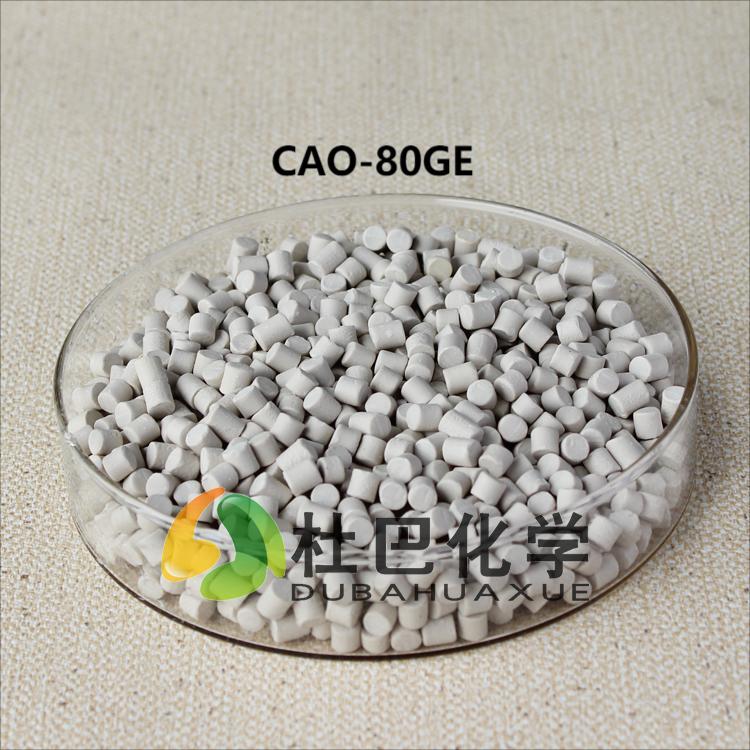
The most commonly used solid hygroscopic agents are silica gel and calcium chloride. On the psychrometric diagram, the air treatment process using the solid hygroscopic agent is an isenthalpic heating. When the solid hygroscopic agent is in contact with the moist air, the solid hygroscopic agent absorbs the moisture in the moist air, and at the same time releases the latent heat of vaporization to heat the air, and the enthalpy value of the air before and after dehumidification remains unchanged.
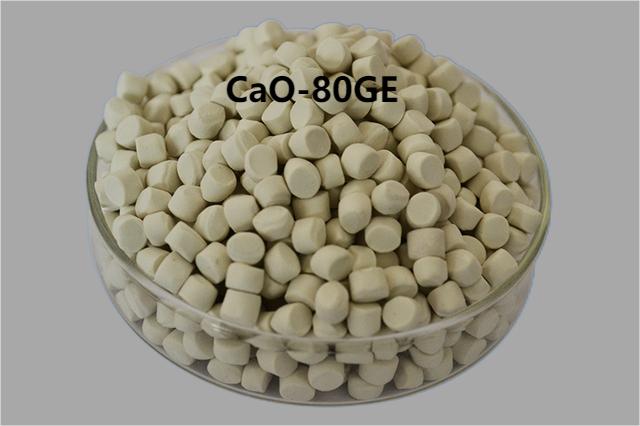
Also known as silicic acid gel, it is a highly active adsorption material, which is an amorphous substance. The main component of silica gel is silicon dioxide, which is chemically stable and non-flammable.
Silica gel is a transparent or milky white granular solid. It has an open porous structure, strong adsorption, and can adsorb a variety of substances. Dilute sulfuric acid (or hydrochloric acid) is added to the aqueous solution of water glass and allowed to stand to form a hydrous silicic acid gel and solidify. The electrolyte Na+ and SO42-(Cl-) ions dissolved in it are removed by washing with water, and the silica gel can be obtained after drying. If it absorbs moisture, some silica gels absorb about 40% or even 300% of moisture.
It is used for gas drying, gas absorption, liquid dehydration, chromatography analysis, etc. It is also used as a catalyst. If cobalt chloride is added, it turns blue when dry and red when it absorbs water. Recyclable for repeated use.
Calcium chloride:
A salt composed of chlorine and calcium with the chemical formula CaCl2. Slightly bitter, tasteless. It is a typical ionic halide that is white, hard clumps or particles at room temperature. Because it easily absorbs moisture and deliquesces in the air, anhydrous calcium chloride must be stored in a sealed container.
Calcium chloride and its hydrates and solutions have important applications in food manufacturing, building materials, medicine and biology. Calcium chloride has outstanding adsorption capacity and low desorption temperature for ammonia, and has great application prospects in the adsorption and separation of synthetic ammonia. However, because calcium chloride is not easy to form a stable porous material, the contact area with gas ammonia is small, and it is easy to expand and agglomerate during the adsorption and desorption process, so it is difficult to put it into practical application in this regard.
Loading calcium chloride on a carrier with a high specific surface can greatly increase the contact area between calcium chloride and gaseous ammonia. Relevant studies have shown that composite adsorbents prepared by loading calcium chloride on molecular sieves have better adsorption performance and stability than single adsorbents.
We are a manufacturer and exporter specializing in the design, development and production of rubber additives and pre-dispersed masterbatches. Our main products are foaming agent, zinc oxide, hygroscopic agent and comprehensive accelerator. If you want to know more, welcome to consult us, we will serve you wholeheartedly!