

The production of foam-based materials, such as insulation, packaging, and furniture, has been revolutionized by the advancements in blowing agent technology. Among these blowing agents, Air-Blown Copolymer (ADC) stands out as a versatile and efficient solution. In this article, we will explore the function and benefits of Blowing Agent ADC in foam production, focusing on its role in creating lightweight and highly insulating foam materials.
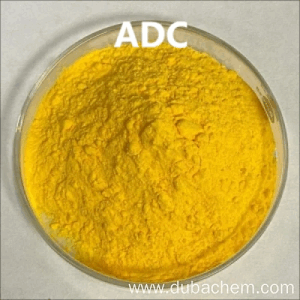
Blowing agents are chemical compounds used in the manufacturing of foam materials. Blowing Agent ADC, also known as azodicarbonamide, is a popular choice due to its exceptional foaming properties. It is a yellowish powder composed of carbon, nitrogen, and oxygen atoms, which generate gas bubbles when subjected to heat in the foam production process.
The primary function of foam blowing agents is to generate gases that expand foam materials, transforming them from a dense liquid or solid state into a lightweight cellular structure. When heated, ADC decomposes and releases gas, creating small cells or bubbles within the foam matrix. These cells provide insulation, reduce material density, and impart desirable mechanical properties to the foam.
Blowing Agent ADC is highly effective in providing excellent thermal insulation properties to foam materials. The trapped gas bubbles within the foam structure slow down heat transfer by reducing conduction and convection. This thermal barrier makes foam materials an ideal choice for insulation applications in buildings, refrigeration units, and various temperature-sensitive products, leading to energy savings and improved environmental sustainability.
Another significant advantage of Blowing Agent ADC is its ability to reduce the density of foam materials. As the gas bubbles expand and create a cellular structure, the foam becomes lighter, resulting in weight savings. This makes ADC-based foams suitable for applications where weight reduction is critical, such as automotive components and lightweight packaging materials.
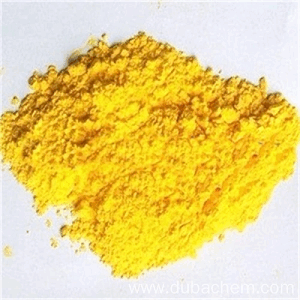
ADC foaming agent plays a crucial role in imparting desirable mechanical properties to foams. The cellular structure generated by ADC enhances impact resistance, dimensional stability, and strength. The controlled expansion of the foam matrix ensures uniformity and consistency in the cellular structure, contributing to improved load-bearing capabilities and overall product durability.
In recent years, there has been increasing focus on sustainable manufacturing practices. Blowing Agent ADC offers environmental benefits as it decomposes during the foaming process, leaving behind harmless residues. Furthermore, ADC-based foam materials can be recycled and reused, minimizing waste and contributing to a more circular economy.
Blowing Agent ADC has significantly transformed foam production by enabling the creation of lightweight, highly insulating, and mechanically robust foam materials. The production of foam with cellular structures using ADC allows for thermal insulation, weight savings, and improved mechanical properties. As industries continue to prioritize sustainability, Blowing Agent ADC also offers environmental benefits, including recyclability and reduced waste generation. The versatility and functional advantages of Blowing Agent ADC make it an indispensable component in the manufacturing of foam-based products, facilitating energy savings, enhanced product performance, and a greener future.