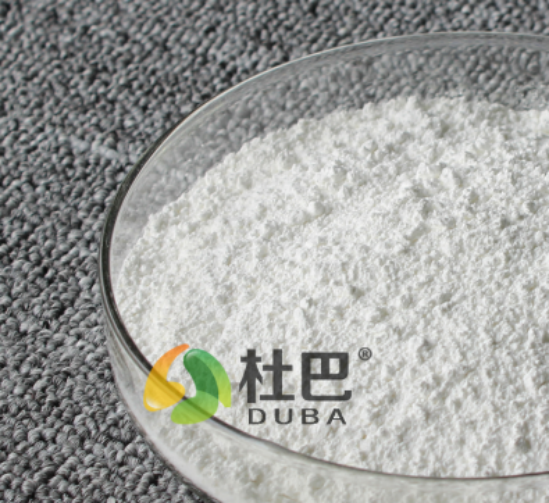
Calcium oxide is soluble in water because calcium oxide, also called quicklime, reacts when added to water, releases a lot of heat, and produces calcium hydroxide. Therefore, calcium oxide is soluble in water.
Our products also have a Foaming Agent, which is generally used to block the gaps of doors and windows, and connect the gaps of doors and windows through its filling function to achieve a sealing effect; the color Masterbatch Foaming Agent is the matrix of the color masterbatch. The special color masterbatch generally uses the same resin as the product resin as the carrier, and the two have the best compatibility; there is also a Powdered Foaming Agent, principle and application. Adding some fillers to plastics can improve certain properties of plastics. , more suitable for some special purposes; there are also Plastic Foaming Agent, which are used to disperse liquids on the surface of solid particles to form stable foams. We have a large inventory, if you want to know more, please contact us, we will be happy to help you!
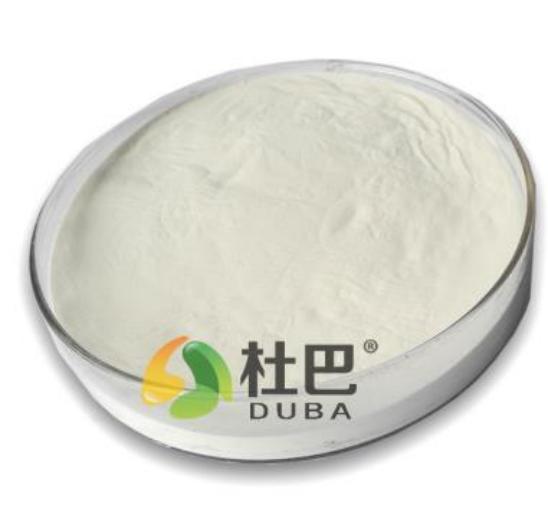
Introduction of calcium oxide soluble in water
Calcium oxide is what is called quicklime. The reaction between calcium oxide and water releases a lot of heat, which boils the solution and forms a white precipitate calcium hydroxide, which makes the solution turbid. The reaction is divided into two kinds, one is to pour the water into the quicklime powder, and the other is to put the quicklime into the water. The first reaction phenomenon is that the water is gradually boiled and evaporated to dryness, and it becomes gray and cloudy in the middle. This is all the water fully reacted to. The second phenomenon is that the lime gradually dissolves and generates heat.
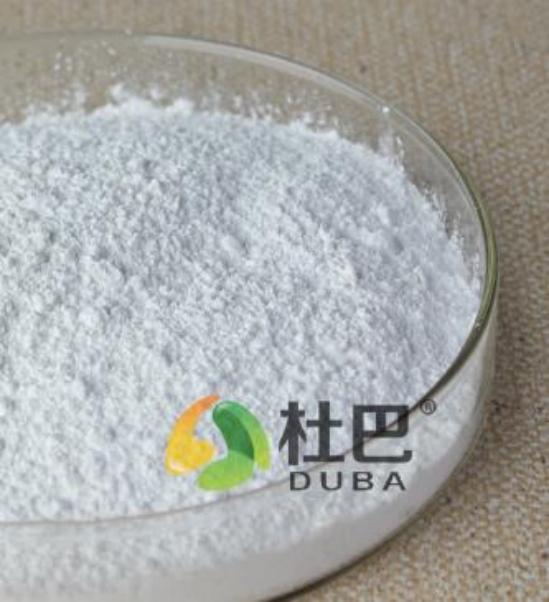
Since calcium oxide is soluble in water, it can be used as a building material and a metallurgical flux. It is the main raw material for the manufacture of calcium hydroxide and various calcium compounds. It is also an inexpensive alkali in the chemical industry. It is widely used in pesticides, papermaking, food, petroleum Chemical, tanning and wastewater purification, etc., used as cement accelerator in construction. Secondly, it can be used as an analytical reagent, a spectral analysis reagent, a fluxing agent for fluorescent powder, a decolorizing agent for vegetable oil, and a carbon dioxide absorber in gas analysis. High-purity reagents are used in epitaxy and diffusion processes in semiconductor production.
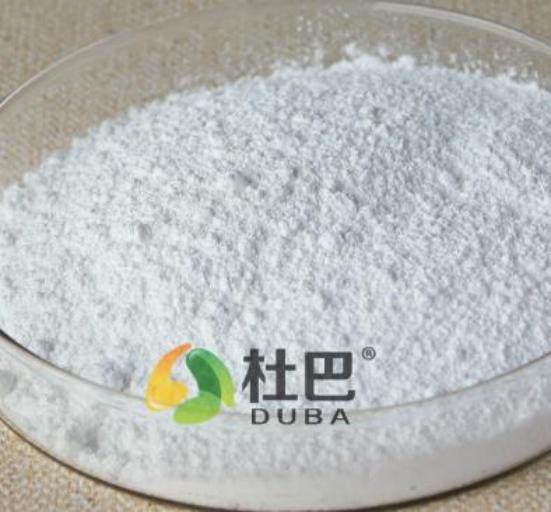
Introduction of calcium oxide
It is an inorganic compound whose chemical formula is CaO, commonly known as quicklime. Physical properties are white powder on the surface, off-white when impure, light yellow or gray when it contains impurities, and hygroscopic. Its color is white or grayish lumps or granules. Soluble in acids, glycerol and sucrose solutions, almost insoluble in ethanol. The relative density is 3.32 to 3.35. Melting point 2572 ℃. Boiling point 2850 ℃. Refractive index 1.838.
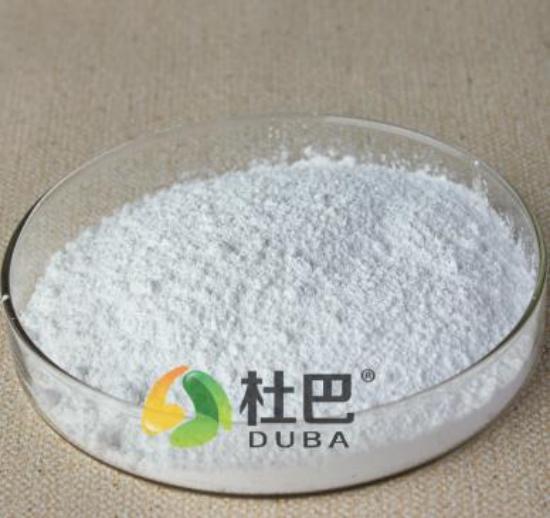
It should be noted that calcium oxide is an alkaline oxide, which reacts with water in the human body to form a strong base calcium hydroxide and release a lot of heat, which has stimulating and corrosive effects. It is strongly irritating to the respiratory tract, and inhaling the dust of this product can cause chemical pneumonia. Strong irritant to eyes and skin, can cause burns. Oral irritation and burns to the digestive tract. Long-term exposure to this product can cause keratinization, chapped skin, and deformed fingers.